
15 Dental Myths That Deserve to Be Buried—for Good
Ever been told that sugar is the only cause of cavities? Or that bleeding gums mean you should stop brushing? Let’s face it: dental myths are everywhere—from the lunchroom to late-night Google searches—and most sound so believable that we don’t think twice before repeating them.
But here’s the catch: some of these myths are doing more harm than good. They delay treatment, promote poor habits, and create unnecessary fear about routine dental care.
Let’s break it down. Using insights from dental professionals and trusted sources, we’re clearing the air on 15 of the most common myths that just won’t quit.
Myth #1: “If It Doesn’t Hurt, It’s Not a Problem”
Reality: Pain isn’t the only symptom of a dental issue. In fact, many dental problems—like cavities, gum disease, or even oral cancer—can develop silently. By the time you feel pain, the condition is often advanced.
Preventive checkups help catch problems early—before they become painful and expensive.
Myth #2: “Brushing Harder Cleans Better”
Reality: Scrubbing your teeth like you’re cleaning a dirty pan is a fast track to damaging your enamel and causing gum recession. Gentle brushing, using small circular motions with a soft-bristled brush, is what your teeth and gums actually need.
Overbrushing is a real condition that can lead to sensitivity and gumline wear.
Myth #3: “Flossing Isn’t Necessary If You Brush”
Reality: Flossing removes plaque and food particles between your teeth—areas your toothbrush simply can’t reach. Skipping it increases your risk of gum disease and cavities in tight spaces.
Fun fact: Brushing only cleans 60% of your tooth surface. The other 40%? Floss covers that.
Myth #4: “Bleeding Gums Mean You Should Stop Brushing”
Reality: Bleeding gums are usually a sign of gingivitis, the earliest stage of gum disease—not a cue to stop brushing. Keep brushing and flossing gently, and the bleeding often goes away in a week or two.
If it continues, it’s time to see your dentist—not your toothbrush.
Myth #5: “All Toothpaste Is the Same”
Reality: Not even close. Some toothpaste is designed for sensitivity, others for tartar control, enamel strengthening, or whitening. Your dentist can recommend what works best for your specific needs.
Myth #6: “You Only Need to Visit the Dentist When You Have a Problem”
Reality: Waiting until you’re in pain often means you’re already facing a bigger (and costlier) issue. Routine exams and cleanings can help catch cavities, gum disease, or even oral cancer early.
Twice-a-year visits are recommended by the American Dental Association—even if your mouth feels fine.
Myth #7: “Sugar Is the Only Cause of Cavities”
Reality: Sugar plays a role, but it’s not the only culprit. Any carbohydrate—including bread, chips, pasta, and crackers—can feed bacteria that produce the acid responsible for tooth decay.
Cavity risk increases with frequent snacking and poor oral hygiene, not just candy.
Myth #8: “Whitening Toothpaste Will Make My Teeth Super White”
Reality: Whitening toothpaste can remove surface stains, but it won’t drastically whiten your teeth. For deeper whitening, you’ll need professional treatments that reach beneath the enamel layer.
Overusing whitening toothpaste may even wear down enamel over time.
Myth #9: “Fluoride Is Dangerous”
Reality: In safe amounts—like those in toothpaste and public water—fluoride is one of the best defenses against tooth decay. It strengthens enamel and helps reverse early decay.
The only danger? Ingesting too much fluoride, typically from swallowing toothpaste—mainly a concern for very young children.
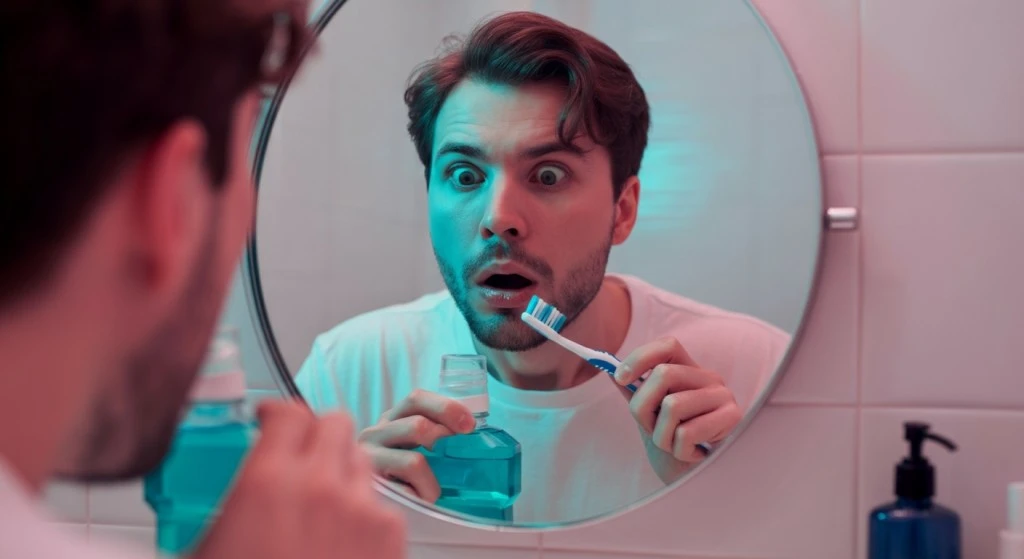
Myth #10: “Mouthwash Can Replace Brushing”
Reality: Mouthwash is a supplement, not a substitute. It can freshen breath and help reduce bacteria, but it doesn’t physically remove plaque the way brushing and flossing do.
Think of mouthwash as the final step, not the whole process.
Myth #11: “Baby Teeth Don’t Matter—They’re Going to Fall Out Anyway”
Reality: Baby teeth play a critical role in speech development, proper chewing, and holding space for adult teeth. Cavities in baby teeth can lead to infections, pain, and even issues in the permanent teeth forming underneath.
Ignoring baby teeth can create a ripple effect of long-term dental problems.
Myth #12: “Tooth Loss Is Just a Natural Part of Aging”
Reality: Tooth loss is preventable. With good oral hygiene, regular dental care, and a healthy diet, you can keep your natural teeth for life.
Studies show seniors who keep more of their natural teeth tend to enjoy better overall health and nutrition.
Myth #13: “Teeth Whitening Damages Enamel”
Reality: Professional whitening treatments are safe when used correctly. Problems occur when people overuse over-the-counter kits or DIY methods like baking soda or lemon juice—which can erode enamel.
Stick to dentist-approved treatments and follow instructions carefully.
Myth #14: “Dental Work Lasts Forever”
Reality: Fillings, crowns, and even implants need maintenance. Over time, wear and tear, gum recession, and decay around restorations may require updates or replacements.
Think of dental work like car maintenance—it needs periodic checkups to last.
Myth #15: “Alcohol-Based Mouthwash Is Better”
Reality: Alcohol-based rinses can be harsh and dry out your mouth, sometimes making things worse (especially for people with sensitive tissues or dry mouth). There are plenty of alcohol-free options that are just as effective—and gentler.
When in doubt, ask your dentist what type of mouthwash suits your oral health condition best.
Why Debunking These Myths Matters
Let’s get real—misinformation doesn’t just confuse people; it causes real damage. Believing a myth like “only sugar causes cavities” might lead someone to ignore the risks of other carb-heavy foods. Thinking “I don’t feel pain, so I’m fine” can delay treatment until it’s too late.
But armed with accurate, evidence-based information, you’re in control.
Better habits. Better conversations with your dentist. Better health.
3 Things You Can Do Today to Improve Your Dental Routine
Here’s how to put this knowledge into action immediately:
1. Audit Your Routine
Are you brushing too hard? Skipping floss? Using the wrong toothpaste? Take a look and adjust based on what your mouth actually needs.
2. Book That Dentist Appointment
Don’t wait for pain. If it’s been more than 6 months, it’s time for a checkup—even if everything feels okay.
3. Share the Truth
Got friends or family still clinging to one of these myths? Share this article or pass along a fact or two. Helping others protect their oral health is always worth it.
Final Thoughts: When in Doubt, Ask a Professional
Your dentist isn’t just someone who fixes teeth—they’re your partner in health. If something sounds suspicious, outdated, or just “off,” ask your dentist directly. They’ve heard every myth in the book, and they’ll be more than happy to set the record straight.
Because your smile isn’t just about looking good. It’s about living well—with confidence, clarity, and facts, not fear.
Ready to separate myth from fact? Schedule a dental checkup today and get answers tailored to your smile.