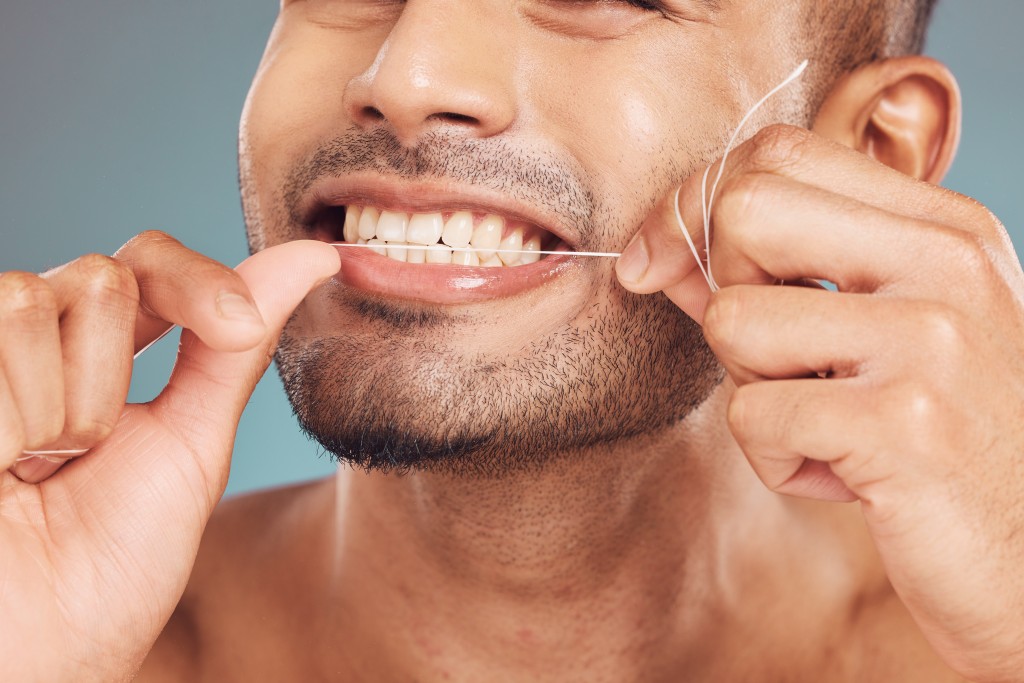
You Might Be Flossing Wrong: A Step-by-Step Guide to Doing It Right
Let’s be honest—flossing isn’t exactly the highlight of anyone’s day. For many of us, it’s somewhere between “I’ll do it tomorrow” and “Oops, forgot again.” But here’s a reality check: flossing might be the most underrated part of your entire oral health routine.
Sure, brushing gets the credit, but brushing alone cleans only about 60% of your tooth surfaces. The rest? That’s where floss comes in. And if you’re not flossing correctly—or not flossing at all—you could be silently inviting gum disease, tooth decay, and even bad breath to settle in.
But no shame here. Whether you’re a flossing beginner or someone who’s been doing it “your own way” for years, we’re here to walk you through the right way to floss—backed by dental experts and simplified for real life.
Why Flossing Deserves More Respect
Before we jump into the how, let’s talk about the why.
According to the American Dental Association (ADA) and Cleveland Clinic, flossing is your best defense against the bacteria and plaque that collect between teeth—places even your fanciest toothbrush can’t reach.
Here’s what happens when you skip flossing:
- Plaque hardens into tartar, which you can’t remove at home
- Gums get irritated, inflamed, and start bleeding
- Over time, you risk developing gingivitis, and eventually periodontitis (a serious gum disease that can lead to tooth loss)
In fact, 42% of adults over age 30 show signs of gum disease, and lack of flossing is a major reason why.
So, flossing isn’t a suggestion. It’s essential.
The Right Way to Floss: Step-by-Step (With Real-World Tips)
If you’re like most people, you’ve probably never had a dentist really walk you through proper flossing. These steps, taken from ADA, Cleveland Clinic, and Arcadia Perio, give you a complete breakdown
Step 1: Cut the Right Amount of Floss
Start with 18 inches. Yes, it sounds like a lot—but you’ll need that length to work with fresh sections for each tooth.
Why it matters: Reusing the same segment spreads bacteria around your mouth instead of removing it.
Tip: Use waxed floss if your teeth are tight or prone to breakage. Unwaxed floss works too but might shred easier.
Step 2: Wrap It Correctly Around Your Fingers
Wrap most of the floss around the middle finger of one hand.
Wrap the rest around the middle finger of your other hand.
Leave about 1 to 2 inches of floss between your fingers to actually use between teeth.
Use your thumbs and forefingers to control the floss as you move between each tooth.
Tip: Your fingers will get tired at first. That’s normal! Keep practicing—it gets easier.
Step 3: Gently Guide the Floss Between Teeth
No need to saw your way through. Gently glide the floss between two teeth using a rocking motion. Never snap the floss into your gums.
Why it matters: Snapping the floss can cut your gums and cause unnecessary bleeding.
Step 4: Hug the Tooth (The C-Shape Technique)
Once the floss is between your teeth, curve it into a “C” shape around one tooth, sliding it up and down just below the gumline.
Repeat this for the adjacent tooth surface before moving to the next gap.
Think of it like polishing the side of each tooth—not just passing through like a thread.
Step 5: Use a Fresh Section for Each Tooth
As you move from one tooth to the next, unroll clean floss from one hand and roll the used floss onto the other.
This ensures you’re removing plaque instead of spreading it around.
Step 6: Don’t Forget the Back Teeth!
Your molars matter just as much. Make sure to floss behind your last tooth on both sides, even if there’s no neighbor tooth next to it.
Step 7: Rinse and Admire Your Work
After flossing, rinse your mouth with water or an antimicrobial mouthwash to wash away the loosened debris.
Notice bleeding when you floss? That’s often a sign of inflamed gums. With consistent flossing, the bleeding typically stops within a week.
But What If You Hate Flossing?
You’re not alone. Many people find traditional floss hard to use, especially seniors, people with arthritis, or kids just learning. The good news? Flossing doesn’t have to mean string floss.
Floss Alternatives That Still Work:
Floss Picks
Great for on-the-go use or for kids, though they may not curve as well around teeth.
Water Flossers (like Waterpik)
Use a stream of pressurized water to clean between teeth. ADA-approved versions are highly effective, especially for people with braces, bridges, or implants.
Soft Picks or Interdental Brushes
Perfect for people with larger gaps between teeth or dental work. These tiny brushes slide between teeth and gums gently.
Bottom line: It’s less about how you floss, and more about doing it daily and thoroughly.

When Should You Floss—Before or After Brushing?
This one’s been debated for years. According to the Cleveland Clinic, flossing before you brush might actually be more effective.
Why? It loosens up plaque and debris between teeth so that your toothbrush and toothpaste can clean it all out more efficiently.
Still, the most important thing is consistency. Morning or night. Before or after brushing. Just make sure you floss once a day—every day.
Common Flossing Mistakes to Avoid
Even if you’ve been flossing for years, you might be doing it wrong. Here’s what to watch for:
Snapping the floss into gums
This can cause pain and bleeding—always guide gently.
Flossing too quickly
You need about 1–2 seconds per surface. Slowing down improves effectiveness.
Using the same section of floss for all teeth
That spreads bacteria.
Stopping because your gums bleed
This is actually a sign you need to floss more—not less.
Teaching Kids to Floss (Yes, It’s Early!)
Kids should start flossing as soon as two teeth touch—often around age 2 to 3. Of course, they’ll need your help at first.
Make it fun:
- Let them pick the floss color
- Use floss picks with handles
- Make it a game with a reward chart
By the time they’re 8 to 10, most kids can floss solo with supervision.
Good flossing habits in childhood often last a lifetime—and save a fortune in dental work down the road.
Flossing and Your Overall Health
Did you know gum disease doesn’t just affect your mouth?
According to studies shared by the American Dental Association, poor gum health is linked to:
- Heart disease
- Type 2 diabetes
- Respiratory infections
- Low birth weight in pregnant women
That’s because inflamed gums allow bacteria to enter the bloodstream, potentially affecting the whole body.
So yes—flossing can literally protect your heart, lungs, and more.
Let’s Wrap It Up: Floss Like a Pro
Flossing might not feel glamorous, but its impact on your health—and your smile—is huge. If you’re only brushing, you’re leaving behind nearly 40% of your tooth surface.
By following a step-by-step method (like the one here), using the right tools, and building it into your daily routine, you’re doing more than cleaning teeth. You’re investing in a healthier you.
So grab that floss. Curve it. Glide it. Clean those corners like a boss.
Your gums (and future self) will thank you.