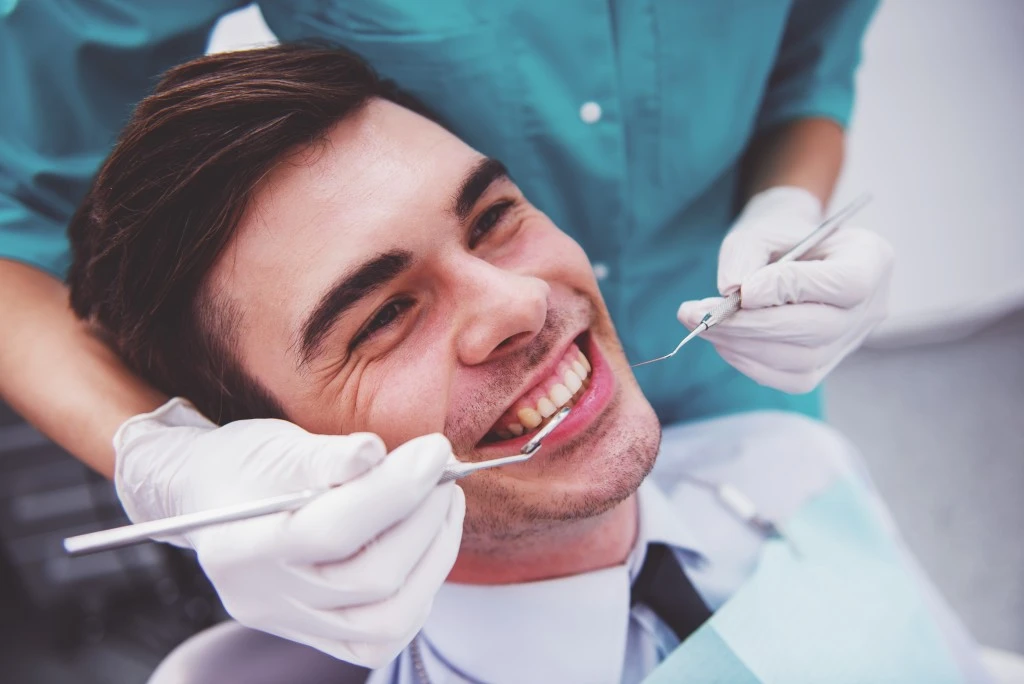
Why Oral Hygiene Matters Even More With Braces or Invisalign
Starting orthodontic treatment is exciting — you’re on your way to a straighter, healthier smile. But whether you’re wearing traditional braces or clear aligners like Invisalign, your oral hygiene routine has to step up. Brackets, wires, and aligner trays create more places for plaque to hide, making your teeth and gums more vulnerable to cavities, staining, and inflammation if not properly cared for.According to the American Association of Orthodontists, patients in orthodontic treatment have a higher risk of white spot lesions — the first visible sign of enamel demineralization — if oral hygiene isn’t meticulous. The good news? With a few smart adjustments to your daily routine, you can keep your smile healthy throughout your orthodontic journey.
Step Up Your Daily Oral Care Routine
Braces and aligners don’t have to make brushing and flossing complicated — but they do require more precision and consistency.
Brush After Every Meal
With braces, food particles often get stuck around brackets and wires. Brush gently using a soft-bristled toothbrush or an orthodontic brush with a V-cut design. Spend extra time along the gumline and around brackets, angling the brush to reach under the wires.
If you’re wearing Invisalign aligners, brush your teeth and rinse your trays after every meal before putting them back in. This prevents bacteria from getting trapped against the enamel.
Flossing: Don’t Skip It
Flossing can be trickier with braces, but it’s essential to remove plaque between teeth and under the gumline. Try floss threaders, orthodontic floss, or a water flosser, which studies show can reduce plaque more effectively for some ortho patients.¹
For aligner users, regular flossing is easier—just remove your trays and floss normally at least once a day.
Add Fluoride and Antibacterial Rinses
Using a fluoride mouthwash once daily helps strengthen enamel and reduce the risk of white spots. An antibacterial rinse can help control gum inflammation, which is common during orthodontic treatment.
For additional protection, ask your dentist about professional fluoride applications during your regular dental checkups and cleanings.
Foods to Avoid (and Why It Matters)
Certain foods can damage orthodontic appliances or increase your risk of decay. A little caution goes a long way.
Avoid these with braces:
- Sticky candies (caramel, taffy, gummies) — they cling to brackets and are hard to clean off.
- Hard foods (nuts, ice, hard bread) — they can break wires or pop off brackets.
- Chewy foods (bagels, tough meats) — they can loosen components over time.
- Sugary snacks and drinks — these feed bacteria and can cause decalcification around brackets.
For Invisalign wearers, there are fewer food restrictions, but you should:
- Always remove aligners before eating or drinking anything except water.
- Brush before putting trays back in to avoid trapping sugar and acids.
- Avoid leaving aligners out for long periods to keep treatment on track.
Common Dental Issues During Orthodontic Treatment
Even with good hygiene, some dental challenges are more common during ortho:
White Spot Lesions
These chalky, opaque spots are early signs of enamel demineralization around brackets. Consistent brushing and fluoride use are the best prevention.
Gum Inflammation (Gingivitis)
Braces make it easier for plaque to accumulate along the gumline. Inflamed gums may look red, puffy, or bleed when brushing. Improved hygiene and antibacterial rinses usually help.
Plaque & Tartar Buildup
Regular professional cleanings are essential to remove hardened deposits that brushing alone can’t tackle. Most orthodontic patients benefit from more frequent cleanings during treatment.
Tooth Decay
Cavities can form around brackets or under aligners if bacteria are trapped against the enamel. If decay develops, your dentist may recommend tooth-colored fillings to restore the tooth before continuing with ortho.
Regular Dental Visits Are Non-Negotiable
Many patients mistakenly think orthodontic appointments replace regular dental checkups — they don’t. Your orthodontist focuses on tooth movement, not dental disease prevention.
Plan for professional cleanings and exams every 6 months (or more often if recommended). During these visits, your dentist can:
- Professionally remove plaque and tartar
- Check for cavities or gum problems early
- Apply fluoride or sealants for added protection
- Coordinate with your orthodontist if any restorative work is needed
If an extraction is part of your orthodontic plan, your dental team may recommend tooth extractions before braces or aligners to make space for alignment.
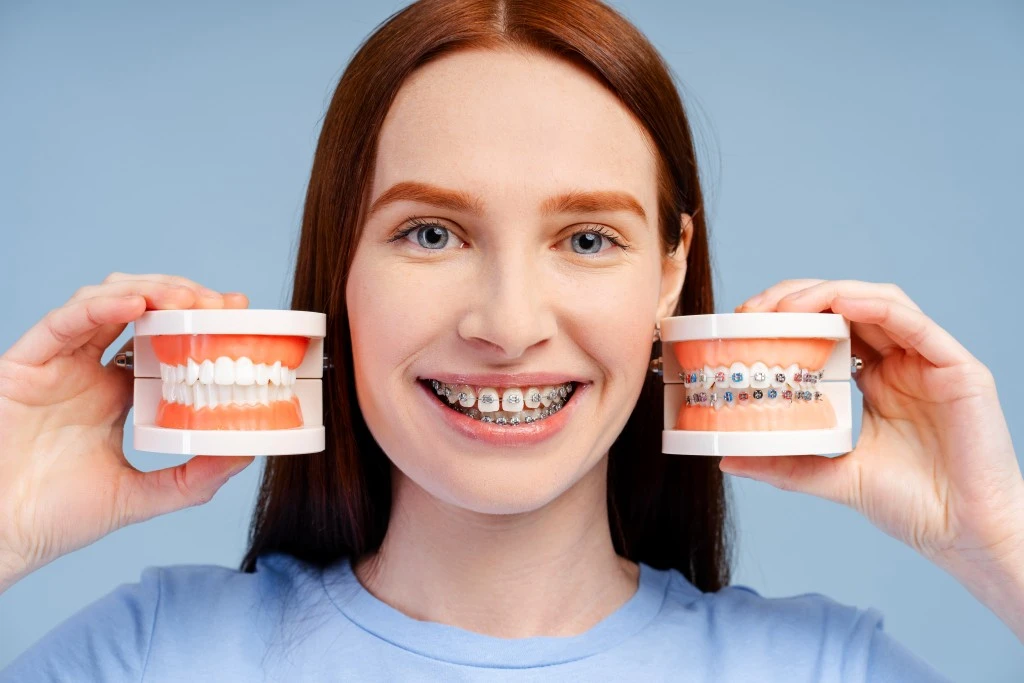
Braces vs. Invisalign: Hygiene Differences
Both braces and Invisalign require careful hygiene, but the strategies differ:
| Braces | Invisalign |
| Brush after every meal | Remove trays before eating |
| Use threaders or water flossers | Floss normally |
| Avoid sticky, hard foods | Brush before reinserting trays |
| More plaque traps around brackets | Less risk of white spots if cleaned properly |
| Regular checkups + adjustments | Aligner changes every 1–2 weeks |
For Invisalign users, trays should be cleaned at least twice a day with lukewarm water and a soft toothbrush. Avoid hot water—it can warp the aligners.
Smart Prevention Tips During Orthodontic Treatment
- Carry a travel toothbrush to clean after meals on the go.
- Keep interdental brushes handy for quick plaque removal around brackets.
- Use a water flosser if traditional flossing is challenging.
- Limit sugary drinks, and rinse with water after consuming them.
Stick to your regular dental cleanings to prevent issues from building up unseen.
Protect Your Smile While Straightening It
Orthodontic treatment is an investment in your future smile — and keeping your teeth clean during the process is what ensures lasting results. Whether you’re wearing braces or Invisalign, partnering with your dentist throughout treatment is key to avoiding problems before they start.
Call Your Murphy Dentist at (972) 694-4823 or book a cleaning online to keep your smile healthy during your orthodontic journey.
FAQ — Dental Care During Orthodontic Treatment
Q1: How often should I brush my teeth with braces?
Brush at least twice a day, ideally after every meal, to remove trapped food and plaque around brackets.
Q2: Can I use a water flosser instead of regular floss with braces?
Yes. A water flosser can be a great supplement or alternative if threading floss is difficult, but it doesn’t completely replace flossing.
Q3: Do I still need dental cleanings if I see my orthodontist regularly?
Absolutely. Orthodontic visits focus on tooth movement, not decay prevention. Regular dental cleanings help prevent gum disease and cavities.
Q4: How do I keep Invisalign trays clean?
Rinse and brush trays with a soft toothbrush and lukewarm water twice daily. Avoid hot water to prevent warping.
Q5: What happens if I get a cavity during orthodontic treatment?
Your dentist may place a filling and coordinate with your orthodontist to keep treatment on track.