
Oops, You Chipped a Tooth—Now What?
You’re biting into a popcorn kernel. Or maybe you took a fall. Perhaps you just woke up, glanced in the mirror, and there it was—a chip. No blood, no drama… but it’s sharp, it’s noticeable, and you can’t stop running your tongue over it.
Chipping a tooth is more common than you think. According to the American Association of Endodontists, chipped teeth make up a large percentage of dental injuries—and they can happen to anyone, anytime. Kids. Adults. Grandparents. Athletes. Nail-biters. Ice-chewers. Life happens.
But here’s the good news: A chipped tooth isn’t a crisis—if you know what to do next.
This guide walks you through what really matters in the moments, hours, and days after chipping a tooth. From the do’s and don’ts of home care to the best dental repair options—this is what you actually need to know.
Step 1: Assess the Damage (Without Panicking)
Not all chips are created equal.
Some are just cosmetic: tiny enamel nicks that look worse than they are. Others might expose the inner layers of the tooth or even affect the nerve. Pain, bleeding, and sensitivity are clues that it’s more than just surface damage.
Here’s how to self-assess:
| Symptom | What It May Mean |
| No pain, small chip | Minor enamel chip; low urgency |
| Sensitivity to cold/sweets | Dentin may be exposed; see a dentist soon |
| Sharp edge or discomfort | Risk of tongue/lip cuts; temporary wax helps |
| Pain, bleeding, visible red or pink | Possible pulp exposure; emergency care needed |
Bottom line: When in doubt, call your dentist and describe what you see and feel.
Step 2: Protect the Area at Home
Even if you can’t see a dentist immediately, there are several things you can do right now to minimize pain, prevent further damage, and avoid infection.
Do This:
- Rinse your mouth with warm salt water to clean the area.
- Apply a cold compress outside your cheek if there’s swelling.
- Use dental wax or sugarless gum to cover sharp edges and protect soft tissue.
- Save the chipped piece (if available) in milk or saline solution.
- Take over-the-counter pain relievers like ibuprofen to reduce discomfort and inflammation.
Don’t Do This:
- Don’t chew on the injured side.
- Don’t eat hard or sticky foods.
- Don’t delay treatment if there’s pain or bleeding.
Pro tip: If the chip is visible or bothering you, temporary dental repair kits are available at most pharmacies—but they’re just a Band-Aid until you see a professional.
Step 3: Know Your Treatment Options
Once you’ve stabilized the situation, your dentist will assess the chip’s severity and recommend the best fix. Here’s a breakdown of the most common treatment options—ranked from least to most involved:
1. Polishing or Cosmetic Recontouring
Best for: Tiny chips and surface roughness
Time: Single quick visit
Cost: ~$50–$300
This is as simple as it gets. The dentist smooths out sharp edges using a sanding disk or fine burr, improving both function and aesthetics. No numbing. No drilling.
“You’ll walk out with a smoother tooth and zero pain,” says Dr. Christine Frank, DDS (via Healthline).
2. Dental Bonding
Best for: Small to medium chips
Time: 30–60 minutes
Cost: $100–$600
Bonding uses a tooth-colored composite resin to fill or rebuild the chipped area. The material is sculpted to match your tooth, hardened with a curing light, then polished.
- Lasts 5–10 years with proper care
- No enamel removal required
- Quick and affordable
Fun fact: Dental bonding is the most common fix for front-tooth chips in teens and adults alike.
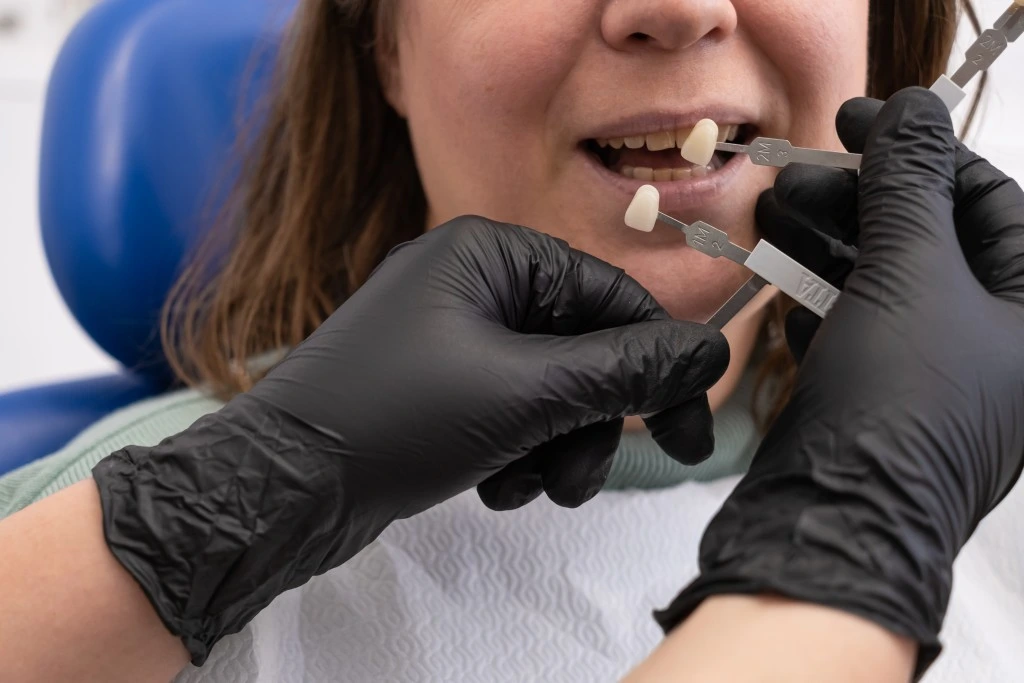
3. Porcelain Veneers
Best for: Visible front teeth or cosmetic correction
Time: Two visits
Cost: $800–$2,500 per tooth
Veneers are thin, custom shells that cover the front of your tooth. They don’t “fix” the chip underneath—but they do hide it flawlessly while adding strength and stain-resistance.
- Lasts 10–20 years
- Stain-resistant, but not indestructible
- Requires minimal enamel shaving
Colgate’s guide notes: “Veneers are a good option when you want to restore the aesthetic without compromising structure.”
4. Dental Crowns
Best for: Large chips, back teeth, or teeth with decay
Time: 2–3 visits
Cost: $800–$1,500+
Crowns, also called caps, cover the entire visible portion of a tooth. They’re ideal when a tooth has lost too much structure to support a filling or bonding.
- Made of porcelain, ceramic, metal, or a mix
- Often needed if the chip reaches the root
- Strong and durable for chewing pressure
WebMD explains that crowns help prevent further cracking, especially in molars, which take more daily stress.
5. Root Canal & Crown
Best for: Chips that expose the nerve or cause severe pain
Time: Multiple visits
Cost: $1,000–$2,500 total
If the pulp (nerve tissue) is exposed or infected, a root canal may be necessary to save the tooth. After cleaning and sealing the canal, your dentist will place a crown to restore strength and appearance.
Signs you may need one:
- Throbbing pain
- Temperature sensitivity
- Dark discoloration
- Swelling near the gum
While scary-sounding, root canals today are about as painful as getting a filling—thanks to modern anesthetics.
Step 4: Don’t Delay Treatment
Even if your chip is tiny and painless, don’t ignore it. Small chips can lead to:
- Jagged edges cutting your cheek or tongue
- Weakening of the entire tooth structure
- Bacterial entry and eventual infection
- Bigger breaks down the road
The earlier you act, the simpler (and cheaper) the fix. Plus, timely repair improves aesthetics, bite comfort, and overall oral health.
Common Questions About Chipped Teeth
Q: Can a chipped tooth repair itself?
A: Unfortunately, no. Enamel doesn’t regenerate. While your tooth might feel better over time, any structural loss remains without dental intervention.
Q: Is a chipped tooth a dental emergency?
A: It depends. No pain? Probably not an emergency. Bleeding, nerve exposure, or sharp edges? Call your dentist immediately.
Q: Will insurance cover it?
A: Most dental insurance plans cover repair for chipped teeth, especially if it’s related to injury. Cosmetic upgrades (like veneers) may require out-of-pocket payment.
Prevention Tips: Keep Chips From Happening Again
Once you’ve been through it, you’ll want to avoid the repeat. Here’s how:
- Wear a mouthguard during sports or if you grind your teeth at night
- Avoid chewing ice, hard candy, or popcorn kernels
- Don’t use your teeth as tools (no bottle opening or thread-snipping!)
- Keep up with dental checkups to catch hairline fractures early
- Brush with fluoride toothpaste to strengthen enamel
Remember, strong enamel is less likely to chip. A consistent oral care routine builds resilience.
Final Word: You’re Not Alone—And You’ll Smile Again Soon
Chipping a tooth is frustrating—but it’s also fixable. In fact, it’s one of the most common dental issues treated every day. Whether it’s a subtle nick or a serious fracture, your dentist has tools to restore function, comfort, and confidence—often in a single visit.
So take a breath, rinse your mouth, call your dentist, and relax.
You’ll be smiling again in no time.