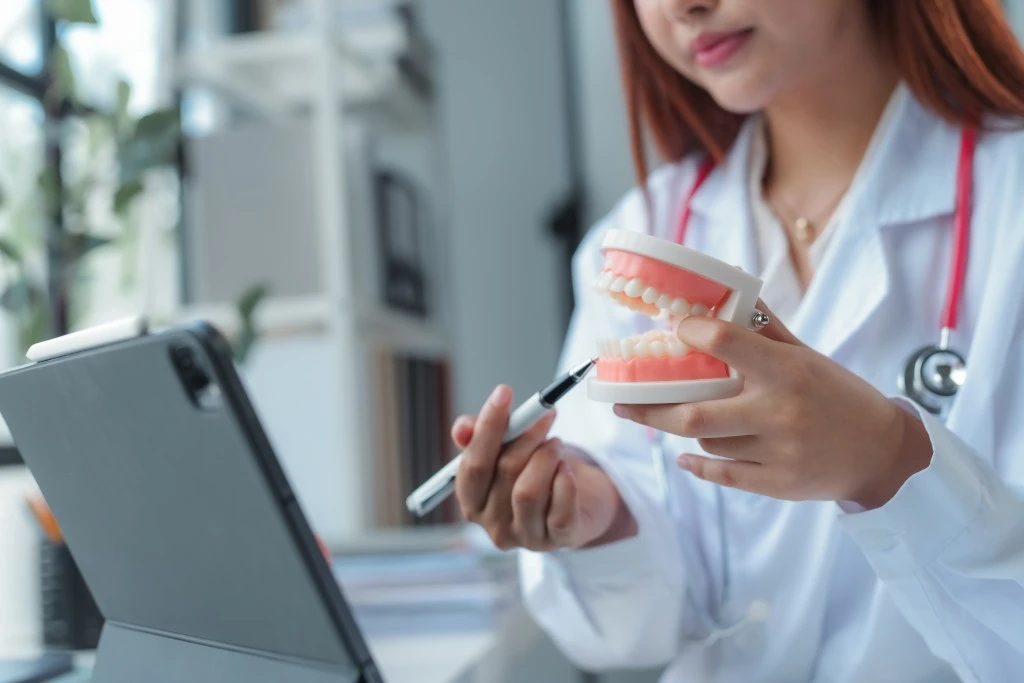
What you probably want to know first
Are you wondering whether a video visit can save you a trip to the clinic, help after dental surgery, or sort out a sudden toothache? This guide answers those patient-first questions plainly: what tele-dentistry is, when it helps (and when it doesn’t), how a virtual dental visit actually works, what evidence and rules apply, and how to prepare for a smooth remote appointment. You’ll get practical checklists, realistic expectations, and the sources behind the claims so you can choose the safest, most efficient path for care.
What is tele-dentistry (in plain English)?
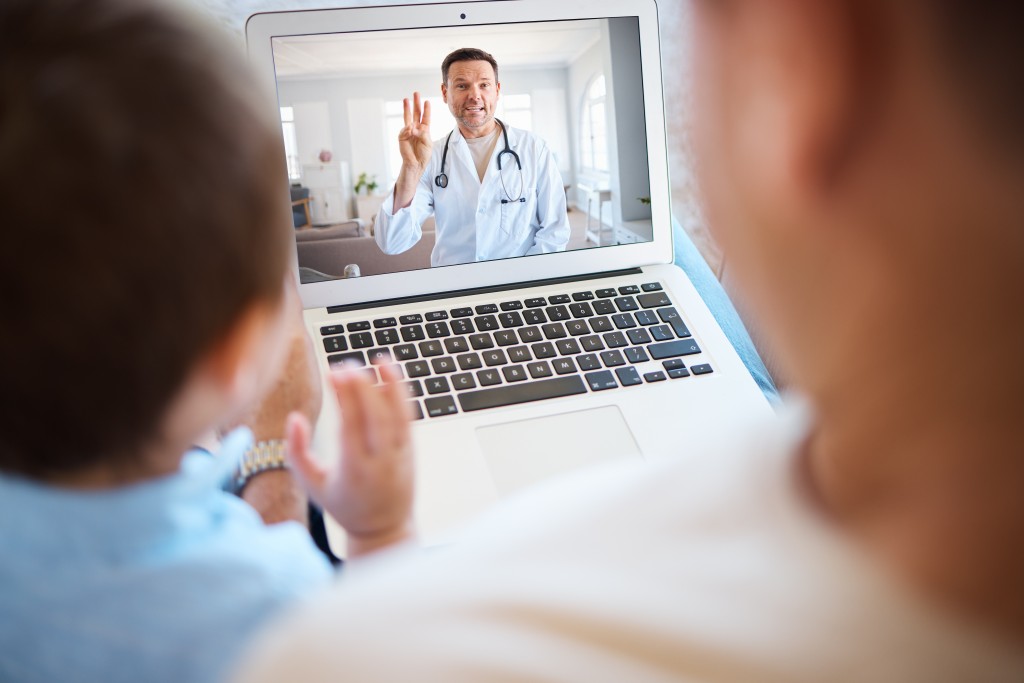
Tele-dentistry means using remote communication tools — video calls, secure photo uploads, or “store-and-forward” systems — so a dentist can consult, triage, monitor healing, or give advice without an immediate in-person exam. It includes two main modes:
- Synchronous (real-time): live video/phone calls between you and a dentist.
- Asynchronous (store-and-forward): you or a local provider sends photos, X-rays, or notes for a dentist to review later and reply.
Both methods are widely used in modern dental care to extend access and speed decision-making.
Who uses tele-dentistry — how common is it?
Adoption rose sharply during the COVID-19 pandemic and remains in active use: surveys of practicing dentists show around 30% reporting some use of teledentistry in their clinics, with a mix of synchronous and asynchronous workflows. Market research also shows a rapidly growing teledentistry industry—estimates place the global market in the low billions of USD with projected double-digit annual growth.
When tele-dentistry helps (good use cases)
Tele-dentistry is particularly useful for:
- Triage — decide quickly whether a toothache needs urgent in-office care or can wait.
- Post-op checks — review healing after extractions, implants, or minor surgery.
- Follow-ups and monitoring — orthodontic or implant checks, and monitoring mucosal lesions.
- Second opinions and treatment planning — review photos/X-rays before committing to major work.
- Oral health education and behavior coaching — remote hygiene coaching, smoke cessation guidance, dietary advice.
- Rural and school-based programs — expanding access where dentists are scarce.
Evidence shows teledentistry improves access and can increase treatment completion in underserved populations. For example, a recent rural program reported over 80% treatment completion within six months after virtual consultations, demonstrating real-world impact on follow-through.
When tele-dentistry isn’t enough (red flags)
There are clear limits. Tele-dentistry cannot replace a hands-on exam and in-office treatment when:
- There is severe swelling or signs of spreading infection (fever, facial swelling).
- There’s uncontrolled bleeding, trauma to the teeth/jaw, or suspected broken jaw.
- You need procedures (fillings, crowns, root canal, extractions) that require instruments.
- Diagnosis depends on tactile exam (mobility testing, percussion) or immediate imaging that can’t be transmitted.
If the dentist suspects a serious infection, they will usually direct you to in-person care or emergency services.
How a typical virtual dental visit works — patient checklist
Before the visit
- Confirm the platform and whether it’s HIPAA-compliant.
- Have a charged phone/tablet or a webcam-equipped computer with good Wi-Fi.
- Prepare: list of symptoms, medication list, and recent photos of the area (bright natural light, plain background).
- If available, have prior X-rays, referral notes, or recent receipts for dental work ready to upload.
During the visit
- The dentist will review your history, ask targeted questions, view photos/video, and may request you bite down or show certain angles.
- They will provide a provisional assessment, recommend self-care, send a prescription if appropriate and allowed, or advise an in-office visit.
- Expect documentation — a record of the encounter will be added to your chart.
After the visit
- Follow the care plan. If you were triaged to in-person care, the tele-visit note often speeds diagnosis and treatment when you arrive.
Safety, privacy, and regulation — what patients should know
- Licensure: Dentists must follow state rules: typically the dentist needs to be licensed where the patient is located. That means a dentist in one state usually cannot provide tele-care to a patient physically located in another state unless permitted by that state’s board. Check with your provider.
- Privacy & documentation: Secure platforms and proper recordkeeping are required. Teledentistry visits are clinical encounters and should meet the same standards for documentation and informed consent as in-person visits.
- Billing & codes: Dental industries use CDT teledentistry codes (D9995 for synchronous and D9996 for asynchronous encounters). Coverage varies by payer and state; some Medicaid programs and private insurers reimburse these services, others do not. Ask your provider if they bill your plan or if self-pay is required.
Evidence & outcomes — does remote care work?
Systematic reviews and clinical reports find teledentistry effective for consultation, triage, and follow-up — especially as an access multiplier in rural or school-based settings. Studies show good diagnostic agreement for many common conditions when images and histories are of adequate quality. Real-world programs demonstrate increased treatment completion and reduced unnecessary transfers to emergency departments. Still, the evidence stresses that teledentistry complements rather than replaces in-person care for procedures and severe cases.
Cost and insurance — what to expect
Costs vary. Some practices include short tele-visits as part of a care pathway; others charge a modest consult fee. Insurance coverage is inconsistent: many state Medicaid programs reimburse teledentistry (using D9995/D9996), some private payers do, and others may not — check with your carrier or ask your dental office in advance. Clear documentation and correct billing codes improve the chance of reimbursement.
Making a tele-visit productive — quick patient tips
- Take bright, close-up photos from several angles (front, right, left, biting).
- Describe symptoms with duration, triggers, pain scale (1–10), and any swelling or fever.
- If asked to send prior X-rays, ask your previous dentist for digital copies — they’re often easy to email.
- Be ready to show the problem area with good lighting; a flashlight can help.
- Have a pen and notepad for instructions and follow-up steps.
For practices: basic implementation considerations (brief)
If a clinic is considering tele-dentistry, start with:
- Platform selection — HIPAA-compliant video + secure messaging.
- Workflow — appointment types, triage scripts, role for dental assistants/hygienists.
- Billing — staff training on D9995/D9996 and payer rules.
- State compliance — ensure licensure/consent policies align with local rules.
- Patient education — templates and checklists to improve photo/video quality.
Frequently asked patient questions
Can a dentist prescribe antibiotics remotely?
Often yes for simple infections or interim management, but regulations and state rules vary. Dentists will usually require enough clinical information to justify a prescription.
Is teledentistry safe for children?
Yes — especially for triage, school screenings, or routine follow-ups — but in-person exams are needed for many pediatric procedures and diagnostics. Professional pediatric bodies are actively publishing guidance.
Will photos be enough for diagnosis?
High-quality photos combined with history often allow a provisional diagnosis and triage decision. For definitive diagnosis of many problems, in-person exams or radiographs may still be required.
Bottom line
Tele-dentistry is a practical, evidence-backed tool for triage, follow-up, education, and expanding access—especially in rural or constrained settings—but it’s not a cure-all. It works best as part of an integrated care plan that clearly defines when patients must move to in-office care. If you want a quick, no-pressure remote check to sort out symptoms or follow up after a procedure, tele-dentistry can save time and reduce uncertainty.
Ready to Try a Virtual Dental Visit?
If you’d like to try a simple, no-pressure tele-screen (for a toothache, post-op check, or a quick second opinion), call Your Murphy Dentist at (972) 694-4823 or request a tele-visit online. We’ll tell you exactly what to prepare and whether a virtual visit can help—no hard sell, just clear next steps.