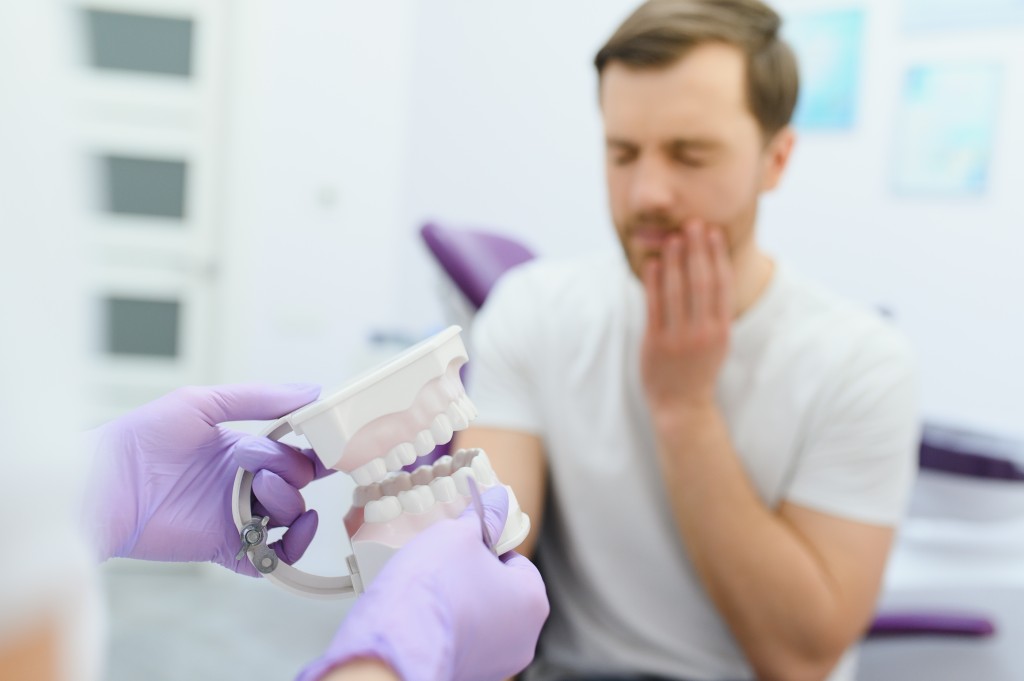
When Tooth Pain After Dental Work Has You Worried
You’ve just had a filling or a dental crown, and now your tooth aches when you chew, drink something cold, or for no reason at all. Naturally, you’re asking:
- “Is this normal?”
- “Did something go wrong?”
- “How long should I wait before calling my dentist?”
The truth is, some sensitivity is completely normal after restorative dental work — but certain kinds of pain are red flags. This guide explains why pain happens, how to tell what’s normal, what you can do at home, and when to call your dentist for follow-up.
Why Tooth Pain Happens After Fillings or Crowns
A bit of sensitivity for a few days after treatment is common. According to studies, 30–40% of patients experience temporary sensitivity after fillings or crowns (ADA). This usually improves on its own.
Here are the most common reasons for pain after dental work:
1. Temporary Nerve Irritation
During a tooth-colored filling procedure, the inner tooth (pulp) can become temporarily inflamed. This “reversible pulpitis” causes short, sharp sensitivity to cold or pressure, but usually resolves within 1–3 weeks.
2. Bite Is Slightly Off
If a new dental crown or filling sits just a bit higher than your natural bite, the opposing tooth may hit it first. This leads to soreness or sharp pain when chewing. A quick bite adjustment at the dental office typically fixes this.
3. Deep Decay or Pulp Inflammation
When decay reaches close to the nerve, the pulp can become inflamed beyond repair (“irreversible pulpitis”). Pain often lingers for more than 30 seconds after a cold stimulus or occurs spontaneously at night. This may require root canal therapy to save the tooth (NIH).
4. Crown Fit or Gum Tissue Reaction
Temporary crowns can irritate gums, and poorly fitting permanent crowns can trap bacteria or leave gaps. Gum soreness for a few days is normal, but swelling or pain that worsens needs attention.
What’s Normal vs. What’s Not
A quick way to assess your situation:
| Pain Type | Typical Duration | Likely Cause | What To Do |
| Mild, brief sensitivity to hot/cold | A few days to 2 weeks | Normal nerve reaction | Use desensitizing toothpaste, monitor |
| Pain when chewing, tooth feels “high” | Immediate, persists | Bite issue | Call your dentist for adjustment |
| Sharp pain that lingers >30 seconds | Progressive | Nerve inflammation | Get evaluated promptly |
| Throbbing or spontaneous pain, worse at night | Ongoing | Likely pulp infection | Root canal or tooth extraction may be needed |
| Gum soreness near crown | 1–2 weeks | Tissue healing | Warm salt rinses, soft brushing |
If pain worsens over time, or lingers after the trigger is gone, don’t “wait it out.” This often signals nerve damage or infection that won’t heal without treatment.
What You Can Do at Home for Mild Pain
If your pain is mild and short-lived, these steps can help ease discomfort while your tooth adjusts:
1. Use Desensitizing Toothpaste
Toothpaste containing 5% potassium nitrate can calm nerve endings and reduce dentin sensitivity. Brush gently twice daily; improvement often shows within 1–2 weeks.
2. Avoid Extreme Temperatures
Give your tooth a break from ice-cold drinks or scalding foods for a few days to avoid triggering sensitivity.
3. Chew on the Opposite Side
For the first few days after treatment, avoid heavy chewing on the restored tooth to minimize pressure and inflammation.
4. Over-the-Counter Pain Relief
Ibuprofen or acetaminophen, used as directed, can reduce inflammation and pain. Check with your doctor first if you have medical conditions.
5. Keep the Area Clean but Gentle
Brush and floss softly around the treated tooth. Warm saltwater rinses (1 tsp salt in 8 oz warm water) can soothe gum tissue and promote healing.
Avoid: ignoring worsening symptoms, grinding the tooth, or using whitening products while it’s sensitive.
When to Call Your Dentist
You should call your dentist promptly if you notice any of the following:
- Bite feels uneven or “off” after 24–48 hours
- Pain lingers more than 30 seconds after cold/heat
- Pain worsens rather than improves after a week
- Spontaneous, throbbing pain that wakes you up at night
- Swelling, fever, or a foul taste (possible infection)
- Cracked crown or filling exposing the tooth
Early evaluation can mean the difference between a quick adjustment and more extensive treatment like a root canal. Left untreated, infections can spread to surrounding tissues and even lead to systemic complications.
Prevention Tips for Future Dental Work
- Communicate symptoms clearly before and during treatment. If a tooth is already sensitive, your dentist can use liners to protect the pulp.
- Have your bite checked carefully after every filling or crown. Even tiny discrepancies can cause pain.
- Don’t delay treating deep cavities—the closer decay gets to the nerve, the higher the chance of post-treatment pain.
- Consider a nightguard if you grind your teeth. Bruxism can worsen sensitivity and damage new restorations.
Get Lasting Relief
Tooth pain after a filling or crown can be frustrating, but the solution often starts with a simple follow-up visit. If discomfort isn’t improving, schedule an evaluation today.
Call Your Murphy Dentist at (972) 694-4823 or book an appointment online. We’ll check your bite, assess the nerve health, and help you find fast, lasting relief—no pressure, just clear next steps.
FAQ — Quick Answers Patients Search For
Q1: How long should a tooth hurt after a filling?
Mild sensitivity can last a few days to two weeks. If pain lingers beyond that or worsens, contact your dentist.
Q2: Why does my tooth hurt when I bite down after a crown?
The crown may be slightly high, causing uneven pressure. A quick adjustment usually fixes this.
Q3: Can tooth pain after a filling mean infection?
Yes, lingering or throbbing pain can indicate pulp inflammation or infection, which may need root canal therapy.
Q4: Is it normal for a crowned tooth to be sensitive to cold?
Mild sensitivity is normal for 1–2 weeks. Persistent or increasing sensitivity may indicate an underlying issue.
Q5: What happens if I ignore tooth pain after dental work?
Delaying care can lead to worsening infection, potential tooth loss, and higher treatment costs.