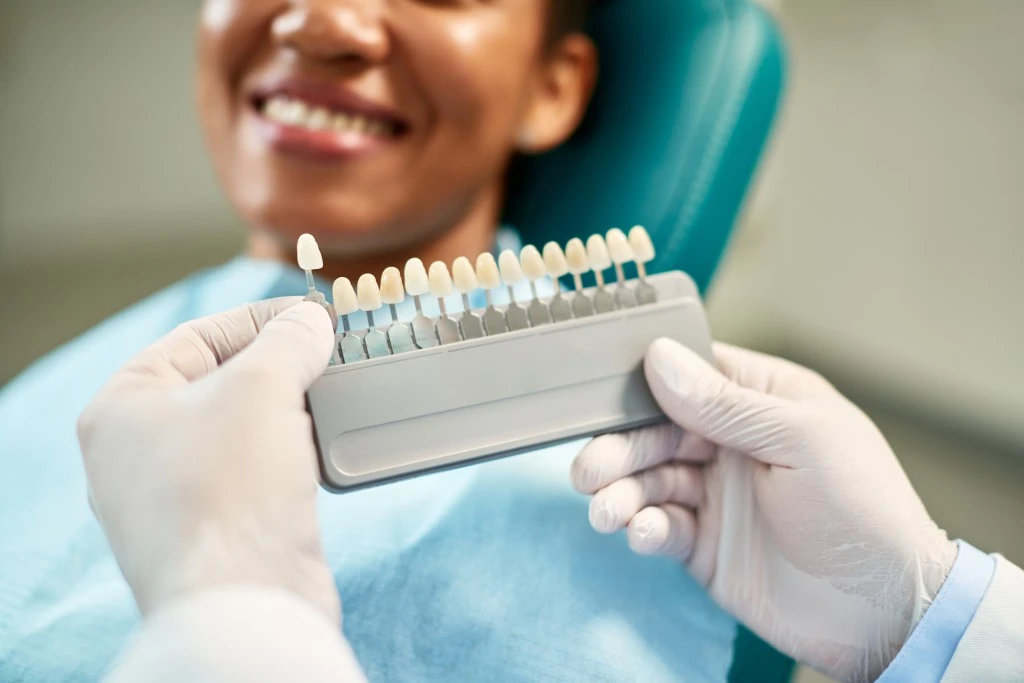
Not All Crowns Are Created Equal: A Real Look at the Types of Dental Crowns
Let’s be real—if your dentist just said, “You’ll need a crown,” your first thought probably wasn’t about royal accessories. It was more like: How much will this cost me? What kind will they use? Will it look weird? Is this going to hurt?
The truth is, dental crowns are one of the most common restorative procedures, but most people have no idea there are different types, each with their own pros, cons, lifespans, and costs.
Whether you just chipped a tooth, had a root canal, or want to restore your smile, understanding the crown options available can save you time, money, and frustration.
Let’s break it down—without the dental jargon.
So, What Is a Dental Crown?
A dental crown is a custom-made “cap” that fits over a damaged, decayed, or weak tooth. It restores the tooth’s shape, strength, appearance, and functionality.
Think of it like a protective helmet—but prettier. It’s used when a filling just won’t cut it, often after:
- Root canal therapy
- A large cavity
- A cracked or broken tooth
- Cosmetic correction
But not all crowns are the same. The material used can impact how long it lasts, how it looks, and how well it holds up to biting, grinding, or even coffee stains.
Why It Matters: The Material Makes the Crown
Dentists typically recommend one of six types of crowns, depending on:
- Where the tooth is in your mouth
- How visible it is when you smile
- Your bite strength
- Your budget
- Whether you’re allergic to metals
Let’s walk through each one—starting with the most natural-looking.
Porcelain or All-Ceramic Crowns
The go-to choice for a natural smile
Best for: Front teeth or anyone prioritizing aesthetics
Lifespan: 10–15 years (with good care)
Looks: Most natural appearance
Why people love them:
Porcelain crowns mimic the translucency of real teeth better than any other material. They’re metal-free, making them a favorite for people with allergies or metal sensitivities.
They’re also a perfect match for patients who want their dental work to be invisible—even in high-definition photos.
What to watch out for:
Porcelain is beautiful, but it’s more brittle than other options. While great for front teeth, it may not hold up as well on molars (especially if you grind your teeth).Tip: If you’re a nighttime grinder (bruxer), ask your dentist about a mouthguard to protect your crown.
Zirconia Crowns
The perfect mix of beauty and strength
Best for: Molars, back teeth, patients who want strength AND looks
Lifespan: 15–20 years or more
Looks: Very natural with some added strength
Why people love them:
Zirconia is basically the Superman of crown materials—it’s strong, durable, and also looks good. It’s biocompatible (great for sensitive gums), and dentists love that it’s tough enough for your strongest bite.
You can also get layered zirconia—which adds a porcelain-like finish for even better aesthetics.What to watch out for:
Zirconia is stronger than natural enamel—so in rare cases, it could wear down opposing teeth if not shaped properly. It’s also a bit more expensive than traditional porcelain.
Porcelain-Fused-to-Metal (PFM) Crowns
A blend of looks and legacy
Best for: Bridgework, molars, multi-tooth restorations
Lifespan: 10–15 years
Looks: Decent aesthetics, especially at first
Why people love them:
PFM crowns have been around for decades and combine the strength of metal with the appearance of porcelain. Dentists still use them for durability, especially when extra bite force is needed.
What to watch out for:
Over time, the metal under the porcelain can create a dark line near your gums. Also, the porcelain layer can chip off more easily than solid zirconia or ceramic.
Note: If you smile wide and your gumline shows, this might not be the best cosmetic option.
Metal Crowns (Gold or Base Metal Alloys)
Old-school but unbeatable in strength
Best for: Back molars, patients who don’t care about appearance
Lifespan: 20–40+ years
Looks: Metallic (obviously)
Why people love them:
If strength, longevity, and minimal prep are your top priorities, gold or metal crowns are king. They require less tooth structure to be removed and almost never fracture.
Dentists also praise them for being super gentle on surrounding teeth and gums.
What to watch out for:
They’re visibly metallic, so not ideal for teeth that show when you talk or smile. Plus, some people are allergic to nickel, a metal commonly used in base metal alloys.
Fun Fact: Gold crowns have the highest success rate in dental history.
E-Max (Lithium Disilicate) Crowns
High-end aesthetics with decent strength
Best for: Front teeth, aesthetic zones
Lifespan: 10–15 years
Looks: Ultra-natural
Why people love them:
E-Max crowns are made from lithium disilicate ceramic, which offers superior aesthetics and good strength. These are often chosen by cosmetic dentists when crafting perfectly white, symmetrical front teeth.What to watch out for:
They’re typically more expensive, and though stronger than porcelain, they’re not quite as tough as zirconia or metals.
Stainless Steel & Resin Crowns
Budget-friendly or temporary options
Best for: Children (baby teeth) or temporary use
Lifespan: Temporary (resin), 5–7 years (stainless steel in kids)
Looks: Functional, not aesthetic
Why people use them:
Stainless steel crowns are often used in pediatric dentistry because they’re durable and easy to place on baby teeth. Resin crowns are cheap and usually placed temporarily while waiting for a permanent crown.What to watch out for:
These crowns are not suitable for permanent adult use. Resin can fracture easily, and stainless steel isn’t aesthetic at all.
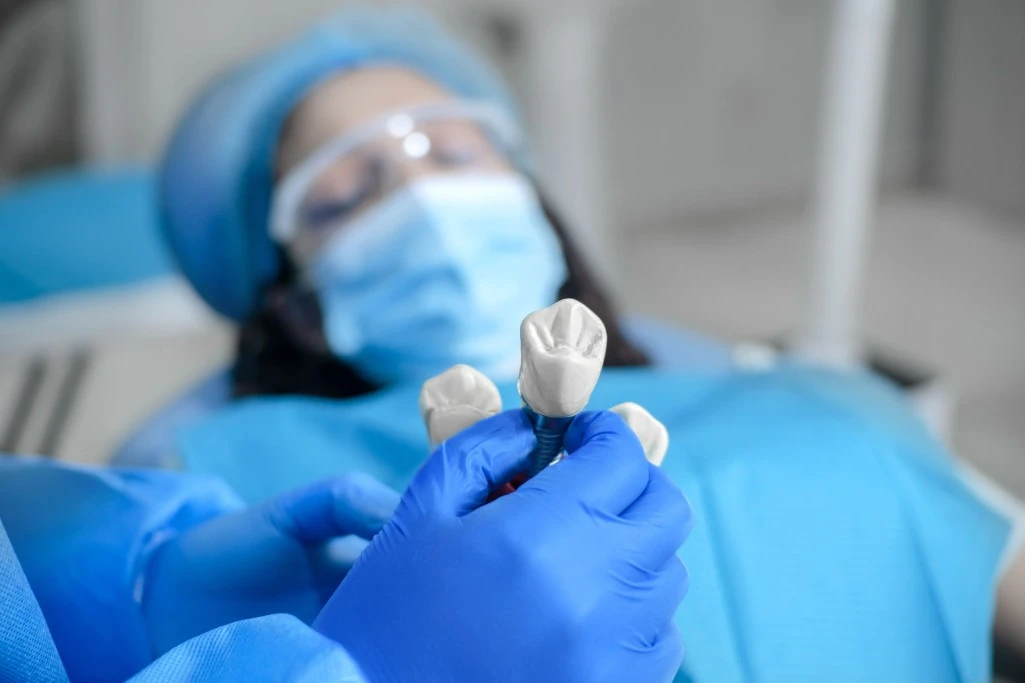
How to Choose the Right Type of Crown
When it comes to crowns, one size (or material) does not fit all. Here are the main factors that should guide your choice:
Tooth Location
- Front tooth? Go for aesthetics: porcelain, zirconia, or E-Max
- Molar? Prioritize durability: zirconia, PFM, or metal
Budget
- Low budget: PFM or resin (temporary)
- Mid-range: zirconia or E-Max
- High-end: custom ceramic or gold
Sensitivity or Allergies
- Avoid PFM or metal if you have metal allergies
- Opt for zirconia or all-ceramic for biocompatibility
Insurance Coverage
Not all insurance plans cover premium options. Ask your dentist about:
- What materials are covered
- Any upgrade costs
- Whether pre-approval is needed
Pros & Cons Recap
| Type | Pros | Cons |
| Porcelain | Best aesthetics, natural-looking | Brittle, not ideal for molars |
| Zirconia | Strong & aesthetic, great durability | Costly, may wear opposing teeth |
| PFM | Strong, proven track record | May show metal near gums over time |
| Metal | Longest lifespan, minimal tooth prep | Poor aesthetics, potential metal allergy |
| E-Max | Ultra-aesthetic, solid for front teeth | Expensive, not as strong as zirconia |
| Stainless/Resin | Inexpensive, fast | Not for long-term adult use |
Final Thoughts: It’s Not Just a Crown, It’s a Decision
A crown isn’t just a cap on a tooth—it’s a long-term decision that affects your comfort, health, smile, and wallet.
Before choosing one, have a real conversation with your dentist. Bring up concerns like:
- “Will it match my other teeth?”
- “What happens if it breaks?”
- “What are my metal-free options?”
- “Will my insurance cover this type?”
The right crown for you depends on more than just the tooth—it’s about your lifestyle, habits, and long-term goals.